
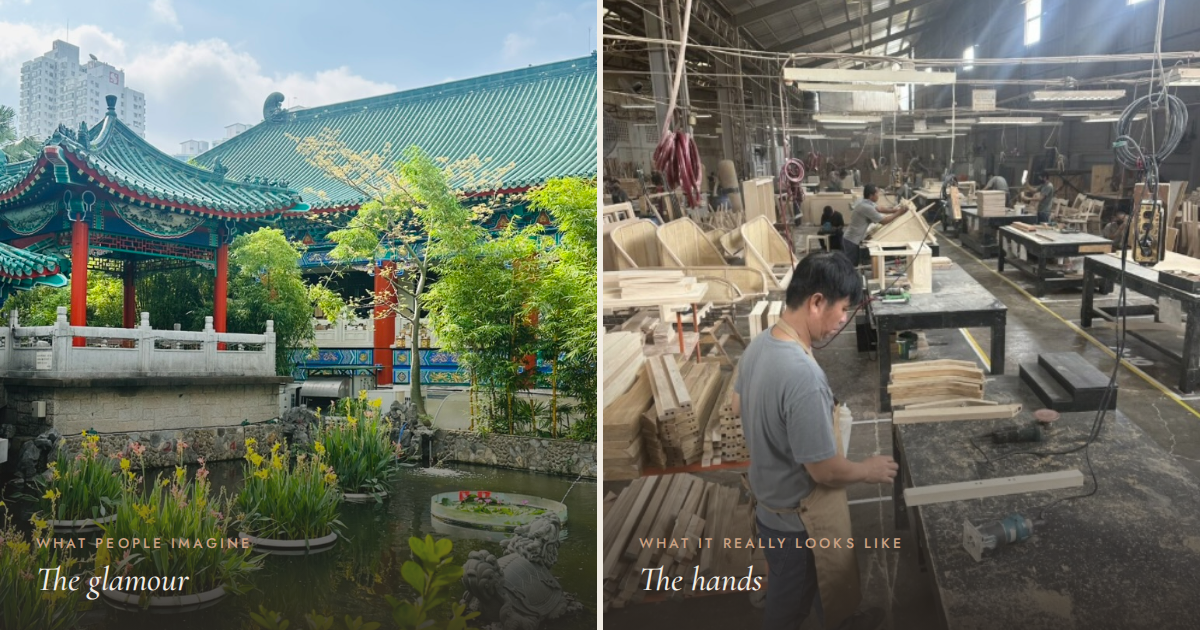
It’s Not Where It’s Made. It’s What We’re Willing to Pay.
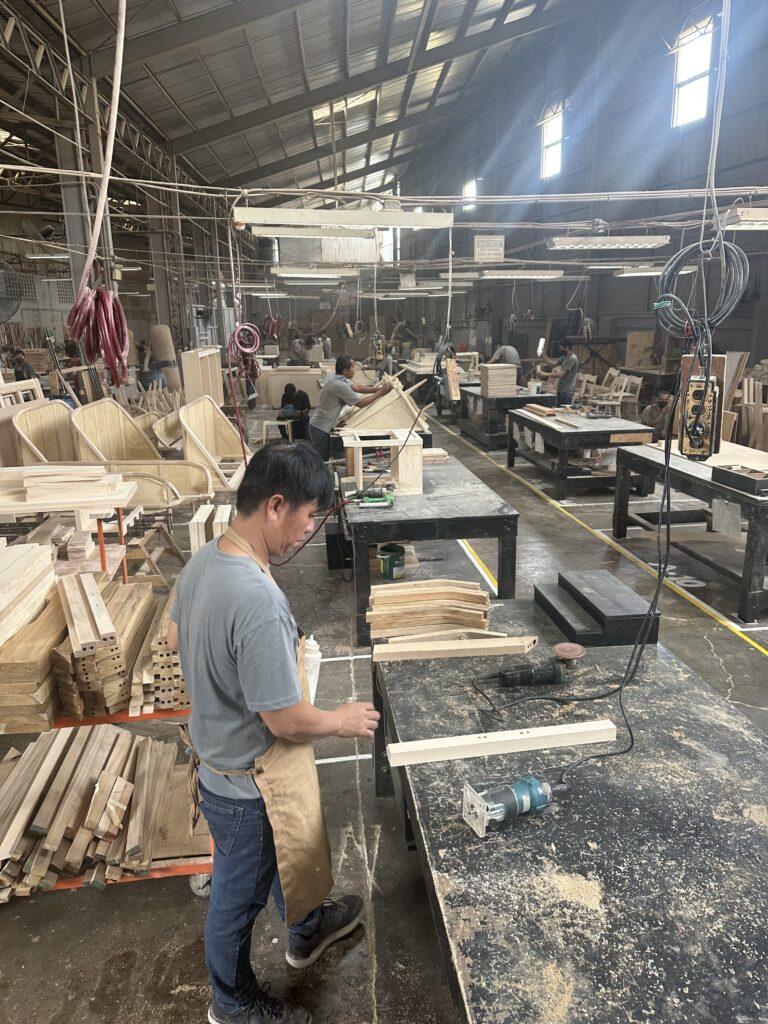
For more than twenty years, I’ve worked behind the scenes of the home décor industry, developing products and working with designers and manufacturers around the world, learning firsthand what goes into quality furniture and mode docore production.
It sounds glamorous, traveling to exotic countries. And sometimes it was. Very rarely. 🙂
Most of the real work happened in not-so-exotic places. Hours outside the cities, down roads you could barely walk on, let alone drive through, visiting factories most travelers would never know existed.
Those were the places that taught me the most. My very first overseas trip was a humbling experience. I arrived with one idea of what manufacturing looked like and came home with a completely different one.
The Hands, Not the Country
There’s an assumption that if something is made overseas, it must be cheap. And if it’s made in certain countries, it must be better.
After years of standing on factory floors, I can tell you it’s not that simple.
I’ve seen incredible craftsmanship in places people routinely dismiss and very ordinary products from places whose names alone command a premium.
And I’ve seen small workshops with a dozen people working tirelessly, each touching a different part of a lamp, vase or chair. Shaping it, finishing it, inspecting it and carefully packing it.
Something you scroll past online in two seconds may have passed through dozens of hands before reaching your home. Once you’ve seen that, you look at things a little differently.
Here’s What Really Surprised Me
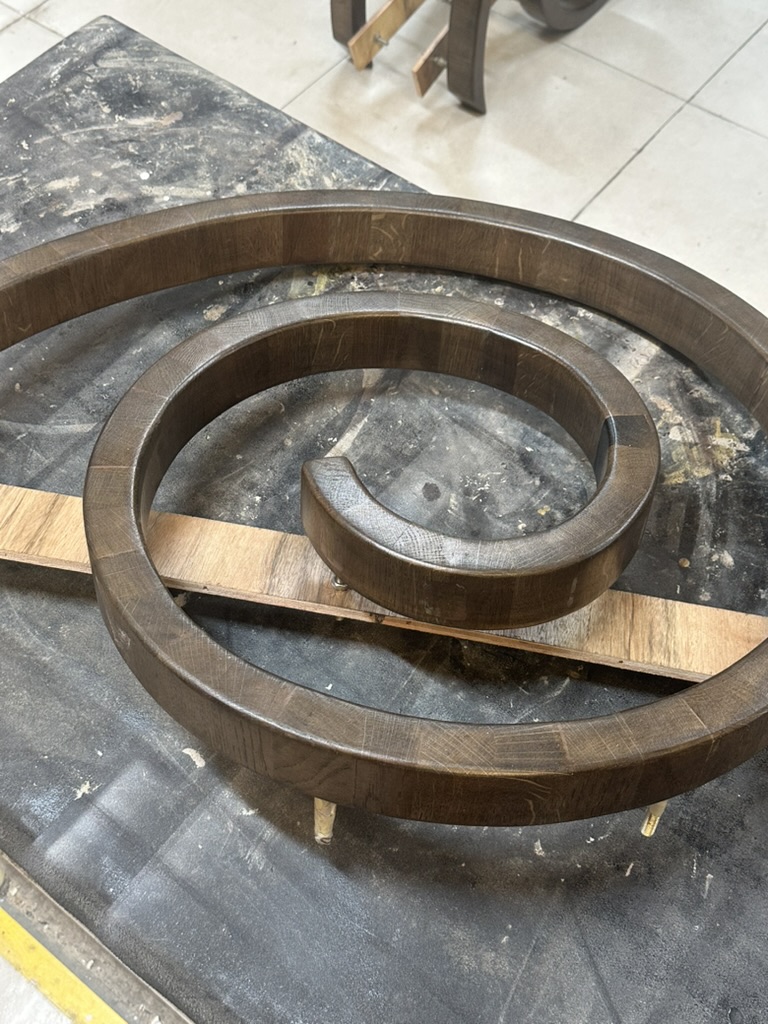
The same factory can produce products at completely different price points.
One buyer specifies genuine stone, solid wood, better metals and beautiful fabrics. Another wants a similar look but at half the cost. So the factory adjusts the materials, construction and finishing to meet that price.
Sometimes you can’t immediately see the difference. But look closer, or live with the product for a few years, and you’ll notice how differently things wear and age.
And yes, there are factories producing inexpensive lookalikes from the very beginning. Fast fashion exists in home décor, too. There’s a huge market for it.
That’s when it really clicked for me. It’s not always the factory deciding the quality. Often, it’s the buyer placing the order. And at the end of that chain, the buyer is us.
We want beautiful materials, skilled craftsmanship and things that last. But we also want the lowest possible price. I do love a good deal myself! The problem is that you can’t always have both.
An expensive price tag doesn’t automatically guarantee quality. But good materials and skilled craftsmanship have a cost.
But What About All Those Markups?
I hear this one all the time. Why does something cost so much more in a store than it did at the factory? Of course there’s a markup!
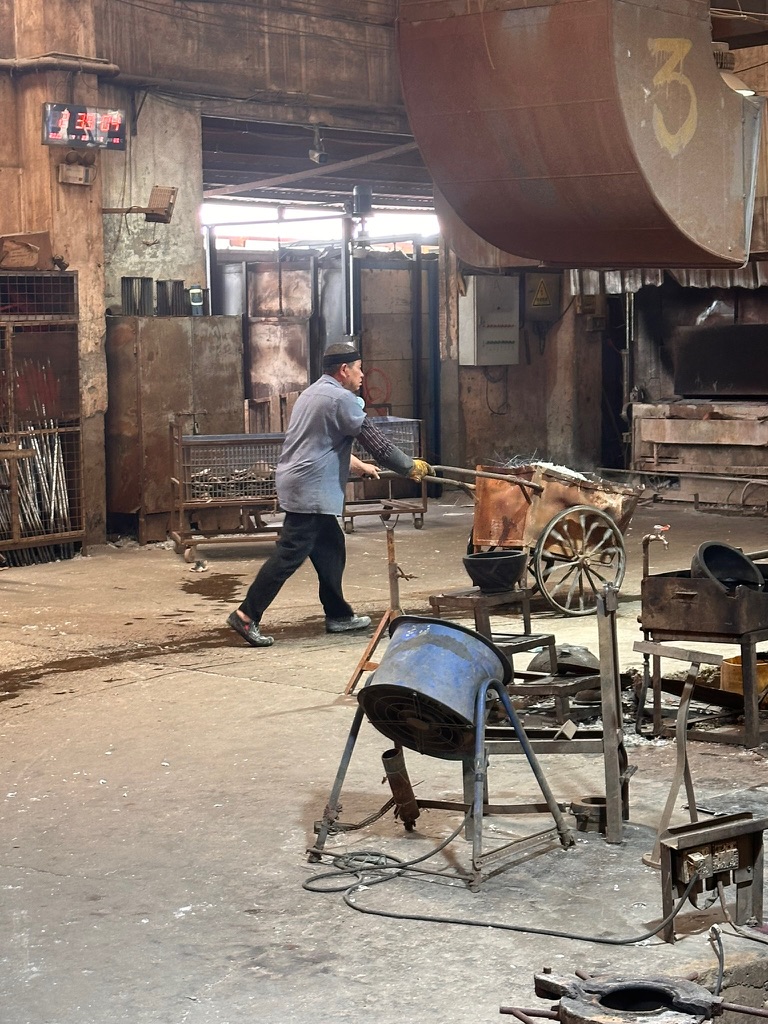
Someone had to come up with the idea, design it, develop it, find the right manufacturer, source the materials, inspect the finished product, import it, store it in a warehouse, photograph it, market it and eventually get it into your home. And everyone involved has a business to run.
Could you do all of that yourself? Absolutely. If you’re willing to invest the time and money and take on all the risks that come with it. Otherwise, there are professionals who do it for you.
It’s no different from fashion, cars, toys or even the food on our tables. There’s a whole chain of people and businesses behind almost everything we buy.
That doesn’t mean every markup is justified. It means the factory price is only one part of what you’re paying for.
And when I think about all the talented designers I’ve worked with, the skilled makers I’ve met and the countless people behind every collection, I have a much greater appreciation for what it takes to bring one product to market.
Great design is almost never one person’s work. It’s a whole circle of people who care.
What This Means for Your Home
After more than two decades in this industry, I’ve watched trends come and go and plenty of must-haves become yesterday’s clutter.
These days, when I’m choosing furniture or décor, I look beyond the label and the photograph. What is it actually made of? How well is it constructed? Will I still love it in ten years?
Sometimes the answers make the price make perfect sense. Sometimes they tell me to keep looking.
I’m not suggesting that everything in your home needs to be expensive. Far from it. I love mixing pieces at different price points, and I certainly don’t believe a designer label automatically makes something better.
But I do believe in understanding what we’re buying and recognizing where quality is worth paying for. Sometimes buying better means buying less. And I’m perfectly comfortable with that.
A Few Questions Worth Asking About Quality Furniture.
For more than twenty years, I’ve worked behind the scenes of the home décor…..
Not always. I’ve seen beautifully made furniture at reasonable prices and expensive pieces that didn’t impress me at all. The difference is often in the materials, construction and craftsmanship—not the brand name or country of origin. Knowing what you’re paying for matters more than the price tag.
Look beyond the finish. Solid wood is valued for its durability, but real wood veneer over quality plywood can also be an excellent choice, especially for larger surfaces where stability matters. MDF is often used for its smooth finish, but standard MDF is vulnerable to moisture and swelling. Pay attention to the materials underneath, the joinery, edge construction and finishing. Two pieces can look almost identical, but how they’re made determines how well they’ll age.
Because the factory price is only part of the story. Someone designed it, developed it, sourced the materials, inspected it, imported it, stored it and brought it to market. You’re paying for that entire process, along with the risks and costs of running those businesses. Of course, not every markup is justified.
Natalia Kokhan | Nat & KO Design
Author bio
Natalia Kokhan is the founder of Nat & Ko Design, a full-service interior design studio serving Los Angeles and Ventura Counties. She brings more than 20 years of experience in home furnishings and product design, including nearly two decades leading product design for a home décor and lighting company.
